Indica vs. Sativa vs. Hybrid: What’s the Difference?
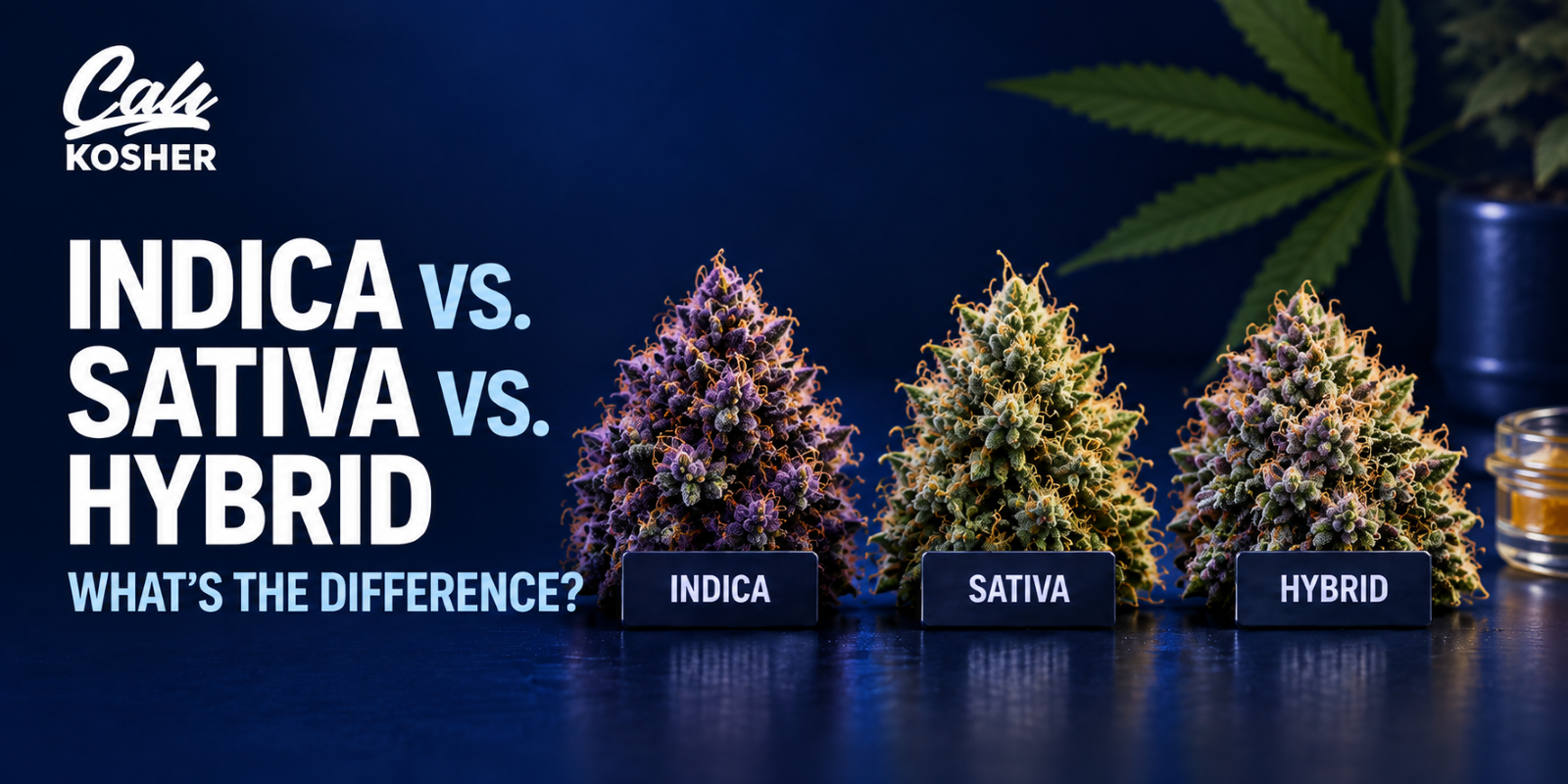
Indica for winding down, sativa for a lift, hybrid for a mix of traits. You’ve probably heard the shorthand.
These categories are a familiar way to browse cannabis, but they do not describe every quality of a product. Cannabinoid content, terpene profile, product type, serving size, and individual response can all make products within the same category feel very different.
Understanding what indica, sativa, and hybrid actually mean can make it easier to compare your options.
What Do Indica, Sativa, and Hybrid Mean?
Indica and sativa are terms that were originally used to categorize cannabis plants by ancestry and physical characteristics. In modern cannabis retail, they are more commonly used as broad product categories. Research has found that today’s indica and sativa labels do not closely reflect the full genetic and chemical differences between products.
Hybrid generally refers to cannabis with genetics associated with more than one category. You may also see products described as indica dominant, sativa dominant, or simply hybrid.
Modern cannabis cultivation has also involved extensive hybridization, which means a product marketed as indica or sativa may still have mixed genetic ancestry.
That makes these labels useful for browsing, but not a complete description of the product.
Indica vs. Sativa vs. Hybrid: Common Descriptions
Indica
Indica is commonly associated with relaxation and winding down.
You may also hear the familiar “in-da-couch” phrase, which reflects the category’s laid-back reputation.
Traditional indica plants are generally described as shorter and bushier with broader leaves, although those botanical traits do not guarantee how a finished product will feel.
Sativa
Sativa is commonly described as uplifting or energizing.
Traditional sativa plants tend to grow taller and have narrower leaves than plants historically classified as indica. As with indica, those plant characteristics are separate from the exact effects of an individual product.
Hybrid
Hybrid products are generally associated with genetics from more than one cannabis category.
An indica dominant hybrid may be described as leaning toward qualities commonly associated with indica, while a sativa dominant hybrid may be marketed as leaning more toward sativa.
Some hybrids are simply labeled hybrid without emphasizing either side.
Because hybrid genetics are so common in modern cannabis cultivation, the product’s cannabinoid and terpene information can be more useful than trying to place it into a strict indica-or-sativa category.
Do Indica, Sativa, and Hybrid Really Have Different Effects?
The familiar category names do not consistently predict the experience of every product.
A 2021 study in Nature Plants found that the indica-sativa labeling system poorly captured overall genetic and chemical variation. The researchers found stronger associations with a limited number of terpenes connected to characteristic cannabis aromas.
Several other factors can shape the experience:
- Amount used: Different amounts of the same product may produce different experiences.
- Product form: Flower, vapes, concentrates, and edibles differ in how they are consumed and how quickly their effects may appear.
- Personal response: Tolerance and individual sensitivity vary.
- Cannabinoid profile: THC and CBD levels can differ substantially among indica, sativa, and hybrid products.
For shoppers, the category is most useful when considered alongside these product details.
THC and CBD: What the Numbers Tell You
THC and CBD are two cannabinoids commonly shown on cannabis labels.
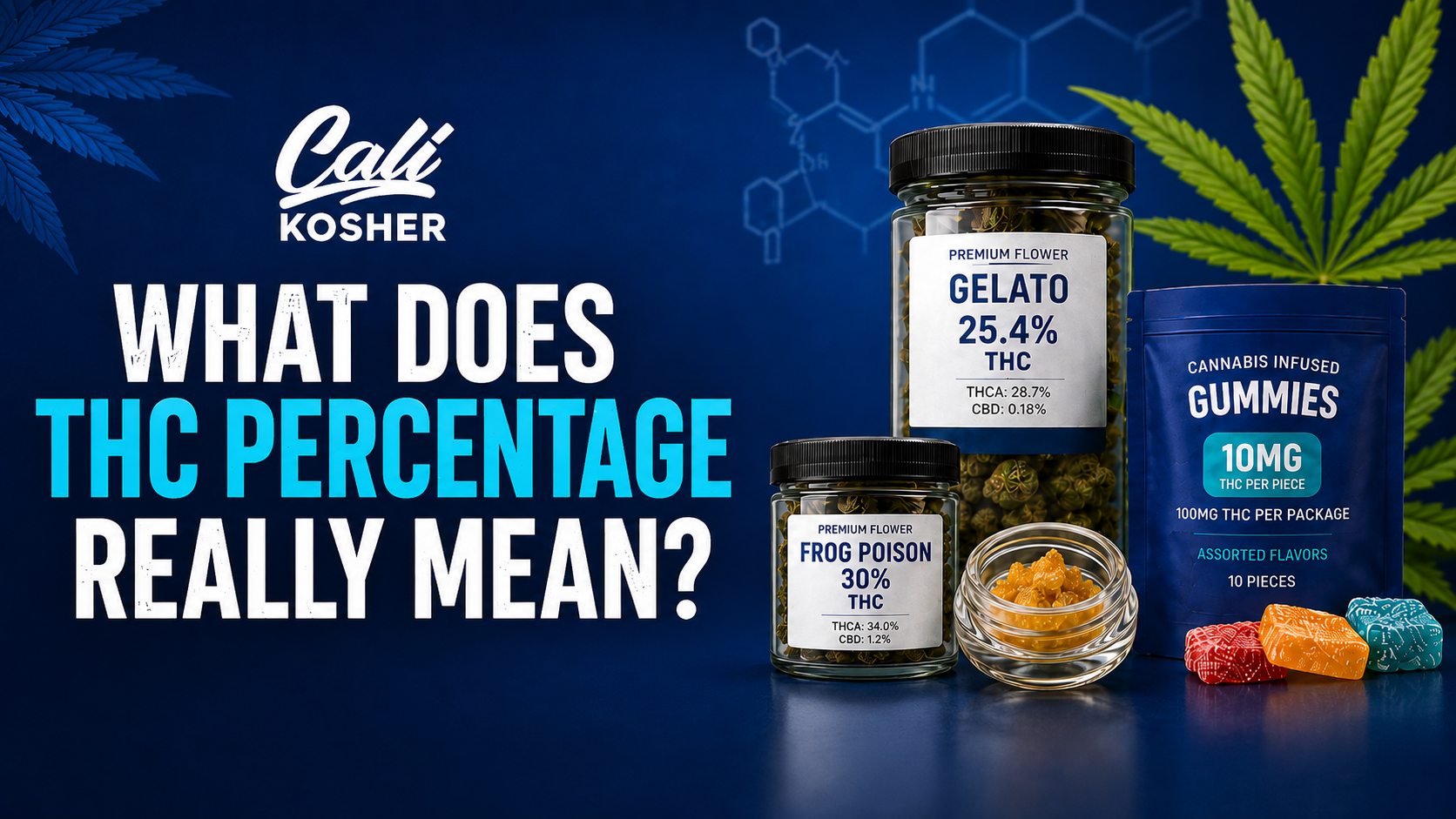
THC is the primary cannabinoid associated with cannabis intoxication. Depending on the product, THC may be listed as a percentage or in milligrams.
CBD does not produce the same intoxicating high as THC.
Importantly, indica, sativa, and hybrid do not indicate potency. An indica flower could contain more or less THC than a sativa or hybrid flower.
That makes cannabinoid information particularly useful when comparing similar products.
For a closer look at how these measurements work, read our guide to what THC percentage means.
What Are Terpenes?
Terpenes contribute to the aroma and flavor of cannabis.
Names such as limonene, myrcene, and pinene may appear on product labels or descriptions. One product may have citrus notes, while another may be described as earthy, floral, or pine-like.
Terpene information can help you compare products based on characteristics beyond the indica, sativa, or hybrid label.
The Nature Plants study also found that certain terpene differences were associated with commercial indica and sativa labeling, suggesting aroma may play a role in how products are categorized.
Research into how individual terpenes may influence the overall cannabis experience is ongoing.
Why Product Type Matters
The form of cannabis you choose can be just as important as the category on the label.
Flower commonly shows THC as a percentage. Edibles generally list milligrams of THC per serving and per package. Concentrates may have substantially higher THC concentrations than flower.
Those measurements should be compared within the same type of product rather than directly across different formats.
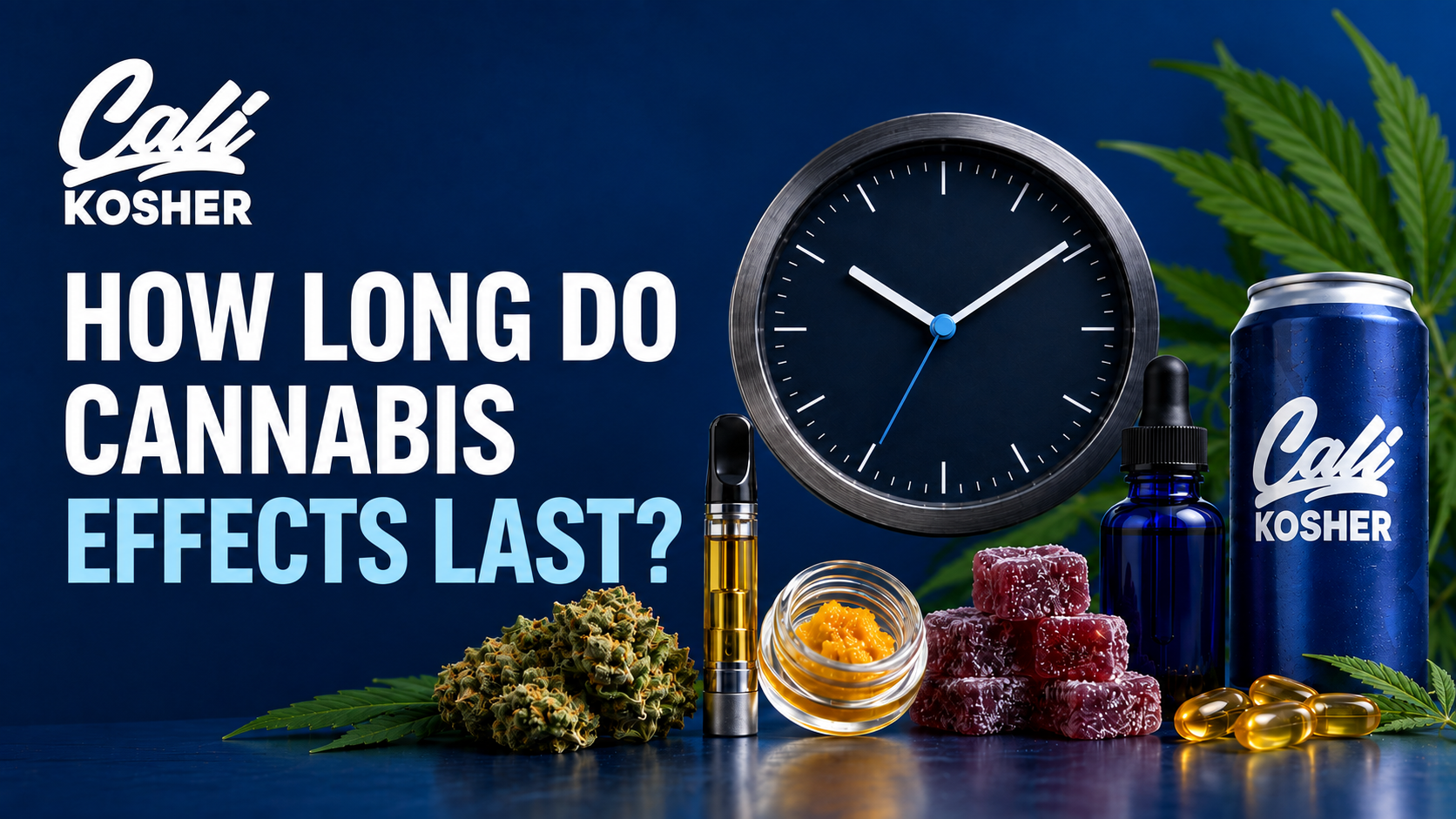
Timing also varies. Edibles generally take longer to produce noticeable effects than inhaled cannabis.
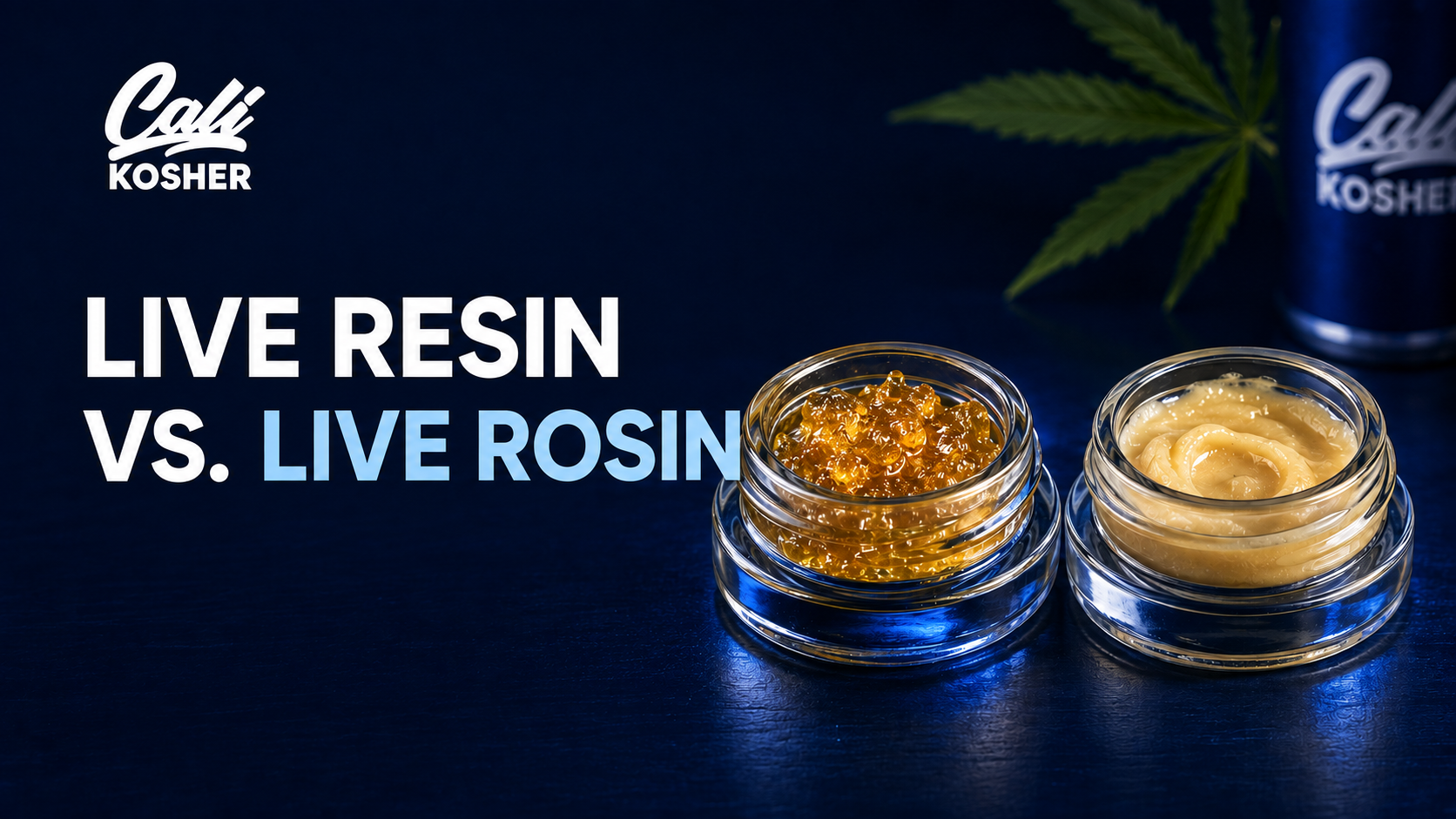
Our guide to how long cannabis effects last explains these differences in more detail.
How to Compare Indica, Sativa, and Hybrid Products
When you are deciding between products, consider:
- Category: Is it labeled indica, sativa, hybrid, indica dominant, or sativa dominant?
- Product type: Are you comparing flower, vapes, edibles, concentrates, or another form?
- THC and CBD: Compare cannabinoid levels between products of the same type.
- Serving information: Check the amount listed per serving or use.
- Terpenes: Look at aroma and flavor information when available.
- Past experience: Products you have already tried can provide a useful point of comparison.
Together, these details give you a more complete picture of the product than the category name alone.
A Quick Checklist Before You Choose
Before selecting a product, ask:
- What category is it?
- What type of cannabis product is it?
- How much THC and CBD does it contain?
- What is the serving size?
- Are terpene or aroma and flavor details listed?
- Have I tried something similar before?
If you find a product you enjoy, keeping its name and label information can make future comparisons easier.
Frequently Asked Questions
What is the main difference between indica, sativa, and hybrid?
Indica and sativa are traditional cannabis classifications that are now commonly used as broad retail categories. Hybrid generally describes cannabis with genetics associated with both.
In stores, indica is commonly associated with relaxation, sativa with a more uplifting experience, and hybrid with characteristics associated with both.
What does indica dominant or sativa dominant mean?
These terms describe hybrid products that are classified as leaning more toward one category than the other.
They do not indicate an exact THC level, CBD level, or terpene profile.
Are most cannabis strains hybrids?
Hybridized genetics are widespread in modern cannabis cultivation, so many products have ancestry associated with more than one traditional category.
A product may still be marketed as indica or sativa when its dominant genetics or characteristics are associated more strongly with one category.
Are hybrids stronger than indica or sativa products?
Not necessarily.
Hybrid describes how a product is categorized, not its potency. Check the THC information when comparing strength.
Can an indica be stronger than a sativa or hybrid?
Yes.
THC levels vary by individual product, regardless of whether it is labeled indica, sativa, or hybrid.
Find Your Next Indica, Sativa, or Hybrid at Cali Kosher
Indica, sativa, and hybrid can help you narrow your choices, but the individual product details provide a more useful comparison.
Look at cannabinoid content, product type, serving information, and terpene details when deciding between options.
Have questions? Visit Cali Kosher in Modesto, Oakdale, or Patterson for help understanding your options.
SHARE: